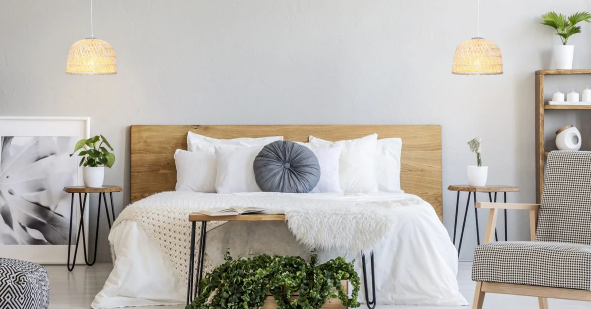
Bedroom lighting for relaxation uses layered, dimmable sources to balance ambient, task, and accent needs. Warm 2700–3000K tones reduce glare and support melatonin. A defined reading nook with a low-glare lamp pairs with subdued overhead glow to avoid harsh contrasts. Accent lighting adds depth without clutter. Gradual dimming guides nighttime transitions, creating soft shadows and even brightness. The result is a calm, restorative space that invites closer inspection of the next step.
Bedroom Lighting Basics for Relaxation
Bedroom lighting for relaxation hinges on layering soft, diffuse illumination with controllable intensity. The approach favors subtle, configurable sources that emit a soft glow and use warm bulbs to reduce contrast. A compact setup prioritizes low glare, color warmth, and seamless transitions. The aim is calm rooms where soft glow and warm bulbs enable tranquil, flexible environments that support unwinding and personal freedom.
Layered Lighting Techniques to Create Calm
Layered lighting combines multiple, separately controllable sources to shape mood and function without harsh contrasts. In this approach, ambient, task, and accent layers combine to balance brightness with depth, enabling adaptive scenarios.
A cozy glow emerges from dimmable fixtures, while soft shadows sculpt architectural interest. This technique preserves freedom to adjust, reducing glare and supporting calm, focused activities within the space.
Color Temperature and Ambience for Sleep
Color temperature shapes ambience by aligning light quality with circadian rhythm: warmer hues around 2700K to 3000K promote relaxation, while cooler tones beyond 4000K can hinder sleep onset.
The comparison of soft white vs warm ambience guides perception of comfort, ease, and night-time transition.
Subtle shifts influence melatonin timing, reducing glare, and fostering a serene, restorative atmosphere for freedom-loving occupants seeking tranquil evenings.
Practical Tips for a Cozy, Relaxing Bedroom
Practical tips for a cozy, relaxing bedroom build on the prior discussion of color temperature and ambience by focusing on actionable, unobtrusive refinements.
The space benefits from a soft glow through layered lighting, with dimming options enabling gradual transitions.
A defined reading nook, supported by targeted lamp placement, preserves calm without glare, while ceiling and ambient sources remain secondary to personal, unforced ambiance.
Frequently Asked Questions
How Do I Reduce Blue Light Exposure at Night?
To reduce blue light exposure at night, the approach lowers brightness and employs blue light filters, creating a warm glow; integrate night time routines that dim screens and swap to amber or red-tinted lighting for calmer ambiance.
What Roles Do Textures Play in Soft Lighting?
Soft textures guide glow by absorbing excess light; cozy textiles diffuse mood and shape shadows. They influence fabric surfaces, promoting warmth. The device of contrast underscores how soft textures modulate perception, enabling flexible, aesthetic control within ambient lighting.
Can Warm LED Brightness Affect Sleep Quality?
Warm brightness can influence sleep quality, potentially causing sleep disruption if excessive; dimmed ambience supports circadian rhythm. The analysis concludes that controlled LED output aligns lighting with personal freedom desires while preserving aesthetic clarity and physiological balance.
Are Dimmer Switches Energy-Efficient for Relaxation?
A dimmer switch is energy-efficient for relaxation, offering measurable dimmer efficiency and energy savings; like a lighthouse beacon, it distributes light precisely. The data show reduced power use while preserving ambiance, enabling freedom-driven comfort without wasteful brightness.
See also: How Technology Is Improving Accessibility for People With Disabilities
How Can Lamps Affect Room Acoustics Subtly?
Lamps subtly influence room acoustics by diffusing sound; strategic lamp placement minimizes harsh reflections, preserving soft reverberation. When positioned thoughtfully, lamps balance aesthetics and acoustics, allowing flexible ambiance while maintaining acoustic clarity for listeners embracing freedom.
Conclusion
In calm rooms, layers align: ambient glow gentle, task light precise, and accent hints shadowed. Warmth harmonizes with dimmable control, creating a sequential calm. Reading zones glow with low glare, while transitions soften, shadows balance, and night-friendly brightness declines. Color consistency sustains coherence, temperature supports melatonin, and clutter-free surfaces reflect simplicity. Purpose aligns with rest: function guides form, softness guides focus, and relaxation guides sleep. Lighting repeats: subtle, structured, serene.