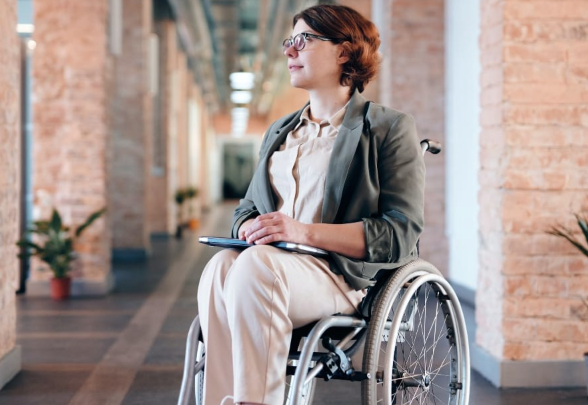
Technology is transforming accessibility for individuals with disabilities. Innovative tools and solutions facilitate greater independence in daily life, education, and the workplace. Smart home systems and adaptive software create inclusive environments, fostering engagement and productivity. As advancements continue, the landscape of accessibility is rapidly evolving. This shift not only enhances individual experiences but also raises questions about future developments that could further redefine inclusion. What might this mean for the next generation?
Innovative Assistive Technologies Enhancing Daily Life
Innovative assistive technologies are transforming the daily lives of individuals with disabilities, offering tools that enhance independence and accessibility.
Smart home systems enable users to control their environment effortlessly, while wearable devices provide real-time health monitoring and communication support.
These advancements foster a sense of autonomy, empowering individuals to navigate their lives with increased confidence and freedom, ultimately improving their overall quality of life.
See also: How Technology Is Driving the Digital Economy
How Are Software Solutions Fostering Education Inclusion?
Software solutions are revolutionizing educational inclusion by providing tailored resources that meet diverse learning needs.
Adaptive learning technologies enable personalized experiences, allowing students with disabilities to engage fully.
Inclusive platforms promote collaboration among educators, students, and families, ensuring everyone has access to essential tools.
This shift not only fosters academic success but also nurtures independence, empowering individuals to thrive in educational environments.
The Role of Smart Devices in Workplace Accessibility
As workplaces increasingly integrate smart devices, they play a crucial role in enhancing accessibility for individuals with disabilities.
These devices facilitate workplace adaptation by providing personalized solutions, such as voice-activated assistants and adaptive software.
By empowering employees with disabilities to overcome barriers, smart devices foster an inclusive environment, promoting freedom and independence in professional settings.
Ultimately, this benefits everyone in the workplace.
Future Trends in Accessibility Technology for Disabilities
While the landscape of accessibility technology continues to evolve rapidly, emerging trends are poised to transform the experiences of individuals with disabilities.
Wearable devices are becoming increasingly sophisticated, offering personalized support and real-time feedback.
Meanwhile, virtual reality is creating immersive environments for training and social interaction, fostering independence and enhancing quality of life.
These innovations promise a future where freedom and accessibility coexist seamlessly.
Conclusion
In summary, technology is transforming the terrain of accessibility for individuals with disabilities, fostering freedom and facilitating functionality. With innovative assistive devices and smart solutions, society is steadily stepping toward a more inclusive future. As adaptive advancements continue to emerge, the potential for personalized support and seamless integration into everyday life grows. Ultimately, this commitment to creating compassionate, connected communities can cultivate confidence, empower individuals, and enhance overall quality of life for all.